
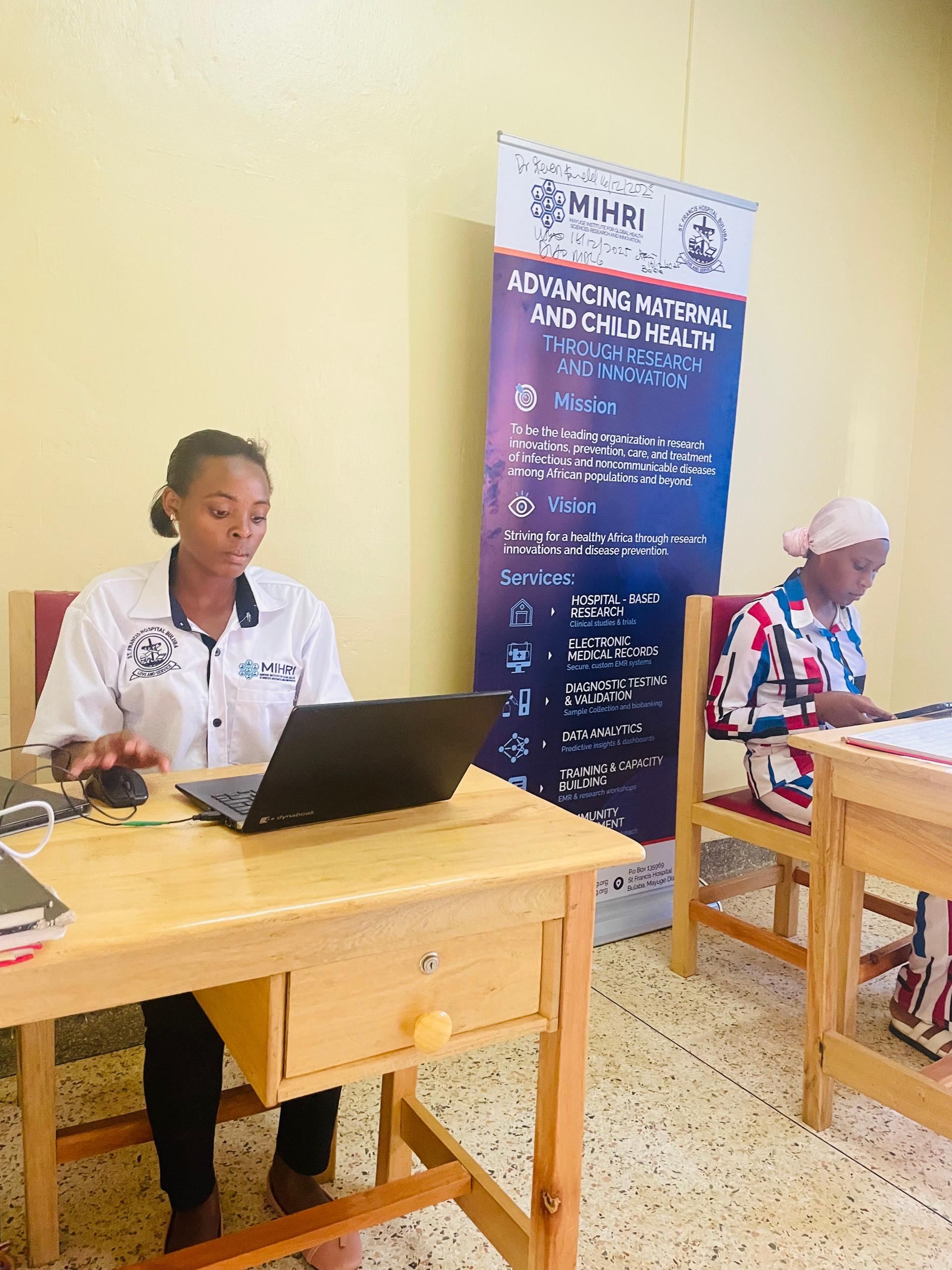
MIHRI To Launch MAMA-LINK: A Maternal and Child Health Analytics Linked Cohort System in Buluba
-
by
 admin
admin - No Comments on MIHRI To Launch MAMA-LINK: A Maternal and Child Health Analytics Linked Cohort System in Buluba
Buluba, Uganda — The Mayuge Institute for Global Health Research and Innovation (MIHRI) has launched an innovative maternal and child health data initiative known as the Maternal and Maternal-Child Analytics Linked Cohort System (MAMA-LINK). The project aims to strengthen evidence-based decision-making by improving how maternal and child health data are collected, linked, and analyzed across the continuum of care.
MAMA-LINK is designed as a longitudinal linked cohort system that follows mothers and their children over time, generating high-quality data on pregnancy, childbirth, postnatal outcomes, and early childhood health. By integrating maternal and child health records into a single analytics platform, the system enables researchers, clinicians, and policymakers to better understand health trends, risks, and outcomes in the community.
Strengthening Maternal and Child Health Research Through Data Innovation
Maternal and child health outcomes remain a critical public health priority in Uganda and across sub-Saharan Africa. Fragmented data systems often limit the ability to track outcomes across pregnancy and early childhood. MAMA-LINK directly addresses this gap by creating a connected, data-driven cohort infrastructure that supports continuous monitoring and advanced analytics.
“The MAMA-LINK system is a major step toward improving how we generate and use maternal and child health evidence,” said a representative from MIHRI. “By linking maternal and child data over time, we can identify risk factors earlier, evaluate interventions more accurately, and support policies that save lives.”
Supporting Research, Policy, and Health System Strengthening
The MAMA-LINK project supports MIHRI’s broader mission to advance global health research and innovation through locally driven solutions. The system will:
- Enable high-quality maternal and child health research
- Support real-time analytics for health programs and interventions
- Improve tracking of maternal and neonatal outcomes
- Inform evidence-based policy and planning
- Strengthen collaboration between researchers, health facilities, and communities
By anchoring the project in Buluba, MIHRI ensures that the system is responsive to local health needs while generating insights that are relevant nationally and globally.
Looking Ahead
As implementation progresses, MIHRI plans to expand the MAMA-LINK cohort, integrate additional data sources, and collaborate with partners in academia, government, and global health organizations. The institute remains committed to ethical data use, community engagement, and translating research findings into real-world impact for mothers and children.